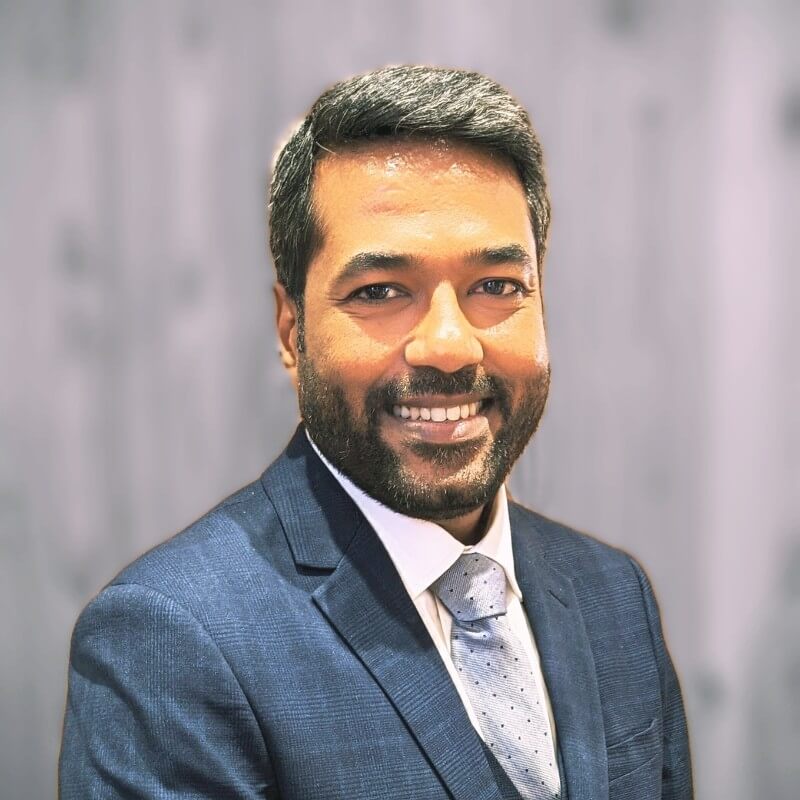
After 26+ years working across technology, finance, and business operations, I noticed the same pattern everywhere: delivery slows not because of people, but because of how work flows between them. That observation became the foundation of this practice.
I work with mid-market organisations in financial services and technology to identify and remove the systemic bottlenecks that slow delivery, inflate costs, and create unpredictability. The organisations I've worked with had one thing in common: talented teams working harder than they should have had to — and getting less done than they were capable of. Not because of skill or effort, but because the system around them created invisible friction at every handoff, every dependency, and every decision point.
Over 26+ years across technology, finance, and business operations, I noticed the same pattern in every organisation: teams were waiting on other teams. Decisions were sitting in queues. Work was technically "in progress" but hadn't moved in days. And when you asked where the problem was, the honest answer was: nobody knew exactly.
Once you learn to see those patterns — and learn how to measure them — you can't unsee them. The root cause is almost always the same. And once you know what it is, fixing it is more systematic than most people expect.
That's why I built this practice: to bring a structured, data-led approach to the delivery problems that most organisations know they have but haven't formally diagnosed.
Most consultants operate in one domain. They bring deep expertise in a single industry — which is genuinely valuable.
I've worked across financial services, technology, and business operations — which means I can translate between the language of a COO, a Director of Delivery, and a CFO in the same engagement. That cross-industry lens is what allows me to connect flow improvements directly to financial outcomes, not just operational metrics.
When you've seen the same bottleneck pattern in three different industries, you learn which solutions are genuinely transferable and which are industry-specific theatrics. That distinction saves time and money.
Every engagement follows the same three principles:
Most organisations know something is wrong but can't identify where the delays are accumulating. We introduce flow metrics across the delivery pipeline — cycle time, throughput, dependency rate, decision latency — then map where work is actually stalling. No assumptions. Just measurement.
Delivery problems are almost never people problems. They're system problems: unclear decision authority, invisible dependencies, governance structures designed for a different scale. We identify which systemic patterns are creating the most drag, then fix those first. The same talented people, operating in a different system, deliver faster.
AI automation delivers best when applied to processes that are already well-understood. We don't automate chaos — we clarify the flow first, then identify which repetitive overhead can be removed through automation. That's why Phase 1 (the diagnostic) always comes before Phase 2 (AI implementation).
All engagements anonymised. Industry context provided so you can assess relevance.
Book a free 30-minute call. We'll discuss your current delivery situation and whether a diagnostic engagement makes sense. No pitch. No proposal without your request.